


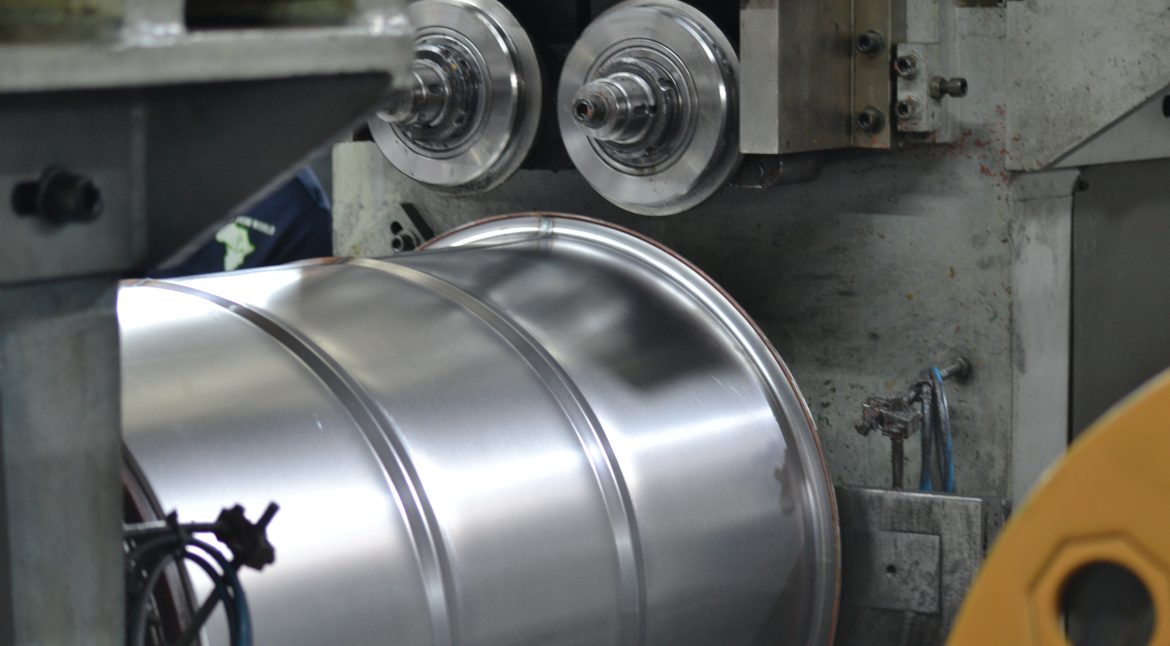
In an era where environmental concerns are at the forefront of industrial practices, the steel drum manufacturing industry is embracing sustainable practices with increasing urgency. Steel drums, essential for packaging and transporting a myriad of materials, have traditionally been associated with industrial robustness and durability. However, as the global focus shifts toward sustainability, manufacturers are innovating to reduce environmental impact and enhance the eco-friendliness of their products. This comprehensive article explores the sustainable practices currently transforming the steel drum industry, the benefits of these practices, and what businesses need to know to align with these new standards.
1. The Need for Sustainability in Steel Drum Production
Steel drums play a crucial role in various industries, including chemical, pharmaceutical, and food and beverage sectors. Their durability and reliability make them a preferred choice for packaging, but traditional production methods have raised environmental concerns. As the world becomes more conscious of environmental issues, the steel drum industry faces pressure to innovate and adopt practices that minimize their ecological footprint.
1.1 Environmental Challenges
The steel drum manufacturing process involves several stages that can impact the environment. From the extraction of raw materials to the energy-intensive manufacturing process, each stage contributes to the overall environmental footprint. Additionally, issues such as waste management, resource consumption, and emissions are critical concerns that need addressing.
1.2 The Push for Sustainability
The push for sustainability in steel drum production is driven by several factors, including regulatory requirements, consumer demand for eco-friendly products, and corporate social responsibility. By adopting sustainable practices, manufacturers can not only comply with regulations but also enhance their market position and contribute to global environmental goals.
2. Innovations in Sustainable Steel Drum Manufacturing
Sustainable practices in steel drum production encompass a range of innovations aimed at reducing environmental impact. These innovations cover material selection, manufacturing processes, recycling practices, and product design.
2.1 Use of Eco-Friendly Materials
The selection of materials is a critical factor in sustainable steel drum production. Manufacturers are increasingly using high-strength, low-alloy steels that offer enhanced durability while reducing the amount of material needed. These steels are designed to withstand harsh conditions, which means fewer drums are required over time, reducing resource consumption.
Additionally, the use of environmentally friendly coatings is gaining traction. Traditional coatings often involve hazardous chemicals, but newer, water-based or powder coatings offer effective protection against corrosion with a significantly lower environmental impact. These coatings are free from volatile organic compounds (VOCs), which helps in reducing air pollution.
2.2 Energy-Efficient Manufacturing Processes
Energy consumption is a major concern in steel drum production. Manufacturers are adopting energy-efficient technologies to minimize their carbon footprint. This includes upgrading to energy-efficient machinery, optimizing production processes, and implementing waste heat recovery systems.
One notable advancement is the use of electric arc furnaces (EAF) for steel production. EAFs use electricity to melt scrap steel, significantly reducing the energy required compared to traditional blast furnaces. This process not only lowers energy consumption but also reduces greenhouse gas emissions.
2.3 Waste Reduction and Management
Reducing waste is a fundamental aspect of sustainable manufacturing. In steel drum production, this involves optimizing material usage and minimizing by-products. Manufacturers are adopting practices such as precise cutting techniques and efficient material handling to reduce scrap.
Additionally, many facilities are implementing recycling programs for metal waste. Scrap metal generated during production is collected, melted down, and reused in the manufacturing process. This practice not only conserves raw materials but also reduces the need for new steel production.
2.4 Sustainable Design and Customization
Design innovations are also contributing to sustainability. Modern steel drums are designed to be more versatile and durable, reducing the need for frequent replacements. Customization options allow businesses to tailor drum specifications to their needs, which can reduce waste and improve efficiency.
Design improvements include features such as improved sealing mechanisms and enhanced stacking capabilities. These features help in extending the life of the drums and optimizing their use in various applications.
