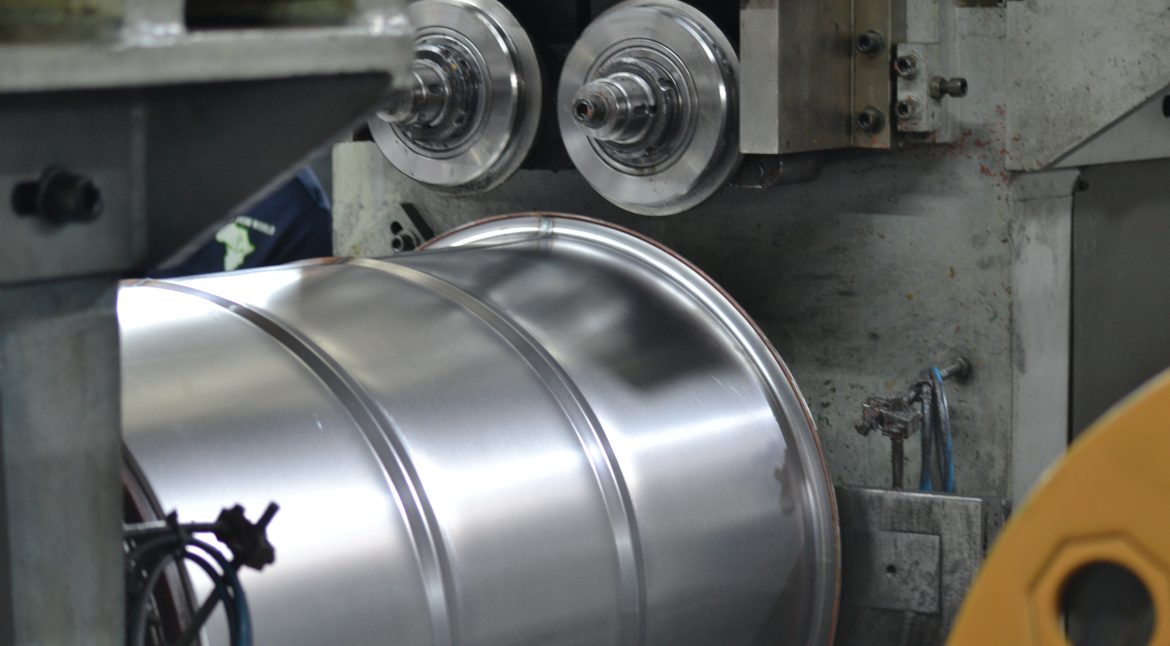
Sustainable Practices in Steel Drum Production.

In an era where environmental concerns are at the forefront of industrial practices, the steel drum manufacturing industry is embracing sustainable practices with increasing urgency. Steel drums, essential for packaging and transporting a myriad of materials, have traditionally been associated with industrial robustness and durability. However, as the global focus shifts toward sustainability, manufacturers are innovating to reduce environmental impact and enhance the eco-friendliness of their products. This comprehensive article explores the sustainable practices currently transforming the steel drum industry, the benefits of these practices, and what businesses need to know to align with these new standards.

1. The Need for Sustainability in Steel Drum Production

Steel drums play a crucial role in various industries, including chemical, pharmaceutical, and food and beverage sectors. Their durability and reliability make them a preferred choice for packaging, but traditional production methods have raised environmental concerns. As the world becomes more conscious of environmental issues, the steel drum industry faces pressure to innovate and adopt practices that minimize their ecological footprint.

1.1 Environmental Challenges

The steel drum manufacturing process involves several stages that can impact the environment. From the extraction of raw materials to the energy-intensive manufacturing process, each stage contributes to the overall environmental footprint. Additionally, issues such as waste management, resource consumption, and emissions are critical concerns that need addressing.

1.2 The Push for Sustainability

The push for sustainability in steel drum production is driven by several factors, including regulatory requirements, consumer demand for eco-friendly products, and corporate social responsibility. By adopting sustainable practices, manufacturers can not only comply with regulations but also enhance their market position and contribute to global environmental goals.

2. Innovations in Sustainable Steel Drum Manufacturing

Sustainable practices in steel drum production encompass a range of innovations aimed at reducing environmental impact. These innovations cover material selection, manufacturing processes, recycling practices, and product design.

2.1 Use of Eco-Friendly Materials

The selection of materials is a critical factor in sustainable steel drum production. Manufacturers are increasingly using high-strength, low-alloy steels that offer enhanced durability while reducing the amount of material needed. These steels are designed to withstand harsh conditions, which means fewer drums are required over time, reducing resource consumption.

Additionally, the use of environmentally friendly coatings is gaining traction. Traditional coatings often involve hazardous chemicals, but newer, water-based or powder coatings offer effective protection against corrosion with a significantly lower environmental impact. These coatings are free from volatile organic compounds (VOCs), which helps in reducing air pollution.

2.2 Energy-Efficient Manufacturing Processes

Energy consumption is a major concern in steel drum production. Manufacturers are adopting energy-efficient technologies to minimize their carbon footprint. This includes upgrading to energy-efficient machinery, optimizing production processes, and implementing waste heat recovery systems.

One notable advancement is the use of electric arc furnaces (EAF) for steel production. EAFs use electricity to melt scrap steel, significantly reducing the energy required compared to traditional blast furnaces. This process not only lowers energy consumption but also reduces greenhouse gas emissions.

2.3 Waste Reduction and Management

Reducing waste is a fundamental aspect of sustainable manufacturing. In steel drum production, this involves optimizing material usage and minimizing by-products. Manufacturers are adopting practices such as precise cutting techniques and efficient material handling to reduce scrap.

Additionally, many facilities are implementing recycling programs for metal waste. Scrap metal generated during production is collected, melted down, and reused in the manufacturing process. This practice not only conserves raw materials but also reduces the need for new steel production.

2.4 Sustainable Design and Customization

Design innovations are also contributing to sustainability. Modern steel drums are designed to be more versatile and durable, reducing the need for frequent replacements. Customization options allow businesses to tailor drum specifications to their needs, which can reduce waste and improve efficiency.

Design improvements include features such as improved sealing mechanisms and enhanced stacking capabilities. These features help in extending the life of the drums and optimizing their use in various applications.

3. Recycling and Reuse of Steel Drums

Recycling and reuse are critical components of sustainable practices in steel drum production. The steel industry is one of the most recyclable industries globally, and steel drums are no exception.

3.1 Benefits of Steel Recycling

Steel is 100% recyclable without losing quality. Recycling steel drums helps conserve natural resources, reduce energy consumption, and lower greenhouse gas emissions. The recycling process involves collecting used drums, cleaning them, and reprocessing the steel into new products.

3.2 Reconditioning and Reuse

Reconditioning is a sustainable practice that extends the life of steel drums. Used drums can be collected, thoroughly cleaned, and inspected for damage. If they meet quality standards, they can be reused for their original purpose or repurposed for different applications.

Many manufacturers offer drum reconditioning services, which helps businesses reduce waste and save costs. Reconditioned drums are an eco-friendly alternative to purchasing new ones and can be customized to meet specific needs.

3.3 Challenges in Recycling and Reuse

While recycling and reuse offer significant environmental benefits, there are challenges to address. Contaminants in used drums, such as residues from hazardous materials, can complicate the recycling process. Proper cleaning and handling procedures are essential to ensure that recycled steel meets safety and quality standards.

4. Regulatory Compliance and Certifications

Regulatory compliance is a crucial aspect of sustainable steel drum production. Manufacturers must adhere to environmental regulations and obtain certifications that demonstrate their commitment to sustainability.

4.1 Environmental Regulations

Regulations governing environmental practices in steel drum production vary by region but generally focus on reducing emissions, managing waste, and minimizing resource consumption. Manufacturers must stay informed about local and international regulations to ensure compliance and avoid potential penalties.

4.2 Certifications and Standards

Several certifications and standards can help manufacturers demonstrate their commitment to sustainability. For example, the ISO 14001 certification is an internationally recognized standard for environmental management systems. Obtaining this certification indicates that a company has implemented effective environmental practices and continuously seeks improvements.

Other relevant certifications include those related to product safety and quality, such as the ISO 9001 certification. These certifications provide assurance to customers that products meet rigorous standards while aligning with sustainability goals.

5. The Role of Consumers and Businesses

Consumers and businesses play a crucial role in promoting sustainability in steel drum production. By making informed choices and supporting sustainable practices, they can drive positive change in the industry.

5.1 Making Informed Choices

Businesses can choose to work with manufacturers that prioritize sustainability and adhere to environmentally friendly practices. This includes selecting products made from recycled materials, opting for reconditioned drums, and supporting companies with robust recycling programs.

5.2 Supporting Sustainable Initiatives

Supporting sustainable initiatives goes beyond product selection. Businesses can engage in practices such as reducing packaging waste, optimizing supply chains, and advocating for industry-wide sustainability standards. Collaboration between businesses, manufacturers, and regulatory bodies is essential for driving progress and achieving meaningful environmental impact.

6. Case Studies and Examples

Examining real-world examples can provide insight into how sustainable practices are being implemented in steel drum production. Here are a few case studies showcasing successful initiatives:

6.1 Case Study 1: 

African Drum World has implemented a comprehensive sustainability program that includes energy-efficient manufacturing processes, the use of eco-friendly coatings, and a robust recycling program. By investing in advanced technologies and optimizing their operations, African Drum World has significantly reduced their carbon footprint and enhanced their environmental performance.

6.2 Case Study 2:

African Drum World is known for its commitment to reconditioning and reusing steel drums. Their reconditioning facility ensures that used drums are thoroughly cleaned and inspected before being put back into service. This approach not only reduces waste but also provides a cost-effective solution for businesses while supporting sustainability goals.

6.3 Case Study 3: 

African Drum World has achieved ISO 14001 certification for their environmental management system. This certification demonstrates their dedication to implementing effective environmental practices and continuously improving their sustainability efforts. By adhering to these standards, African Drum World sets a benchmark for others in the industry.

7. Looking Ahead: The Future of Sustainable Steel Drum Production

The future of sustainable steel drum production holds exciting possibilities as technology continues to advance and environmental priorities evolve. Key trends to watch include:

7.1 Increased Adoption of Circular Economy Principles

The circular economy model, which emphasizes the reuse and recycling of materials, will likely play a central role in the future of steel drum production. Manufacturers will increasingly adopt circular practices to minimize waste and maximize resource efficiency.

7.2 Innovations in Materials and Processes

Ongoing research and development will drive innovations in materials and manufacturing processes. New materials with improved environmental profiles, along with advancements in production technologies, will further enhance the sustainability of steel drums.

7.3 Enhanced Collaboration and Transparency

Collaboration between manufacturers, businesses, and regulatory bodies will be essential for advancing sustainability in steel drum production. Increased transparency and sharing of best practices will help drive industry-wide improvements and ensure that sustainability goals are met.

Conclusion

Sustainable practices in steel drum production are transforming the industry, driven by advancements in materials, technologies, and regulatory requirements. By embracing eco-friendly materials, energy-efficient processes, recycling and reuse, and rigorous compliance standards, manufacturers are making significant strides toward reducing their environmental impact.

Businesses and consumers play a crucial role in supporting these efforts by making informed choices and advocating for sustainability. As the industry continues to evolve, the commitment to sustainability will be essential for ensuring a greener and more responsible future for steel drum production.

In summary, sustainable practices in steel drum production are not just a trend but a vital component of a broader movement toward environmental stewardship. By staying informed and engaged, we can all contribute to a more sustainable and resilient industrial landscape.